
Chitwan National Park

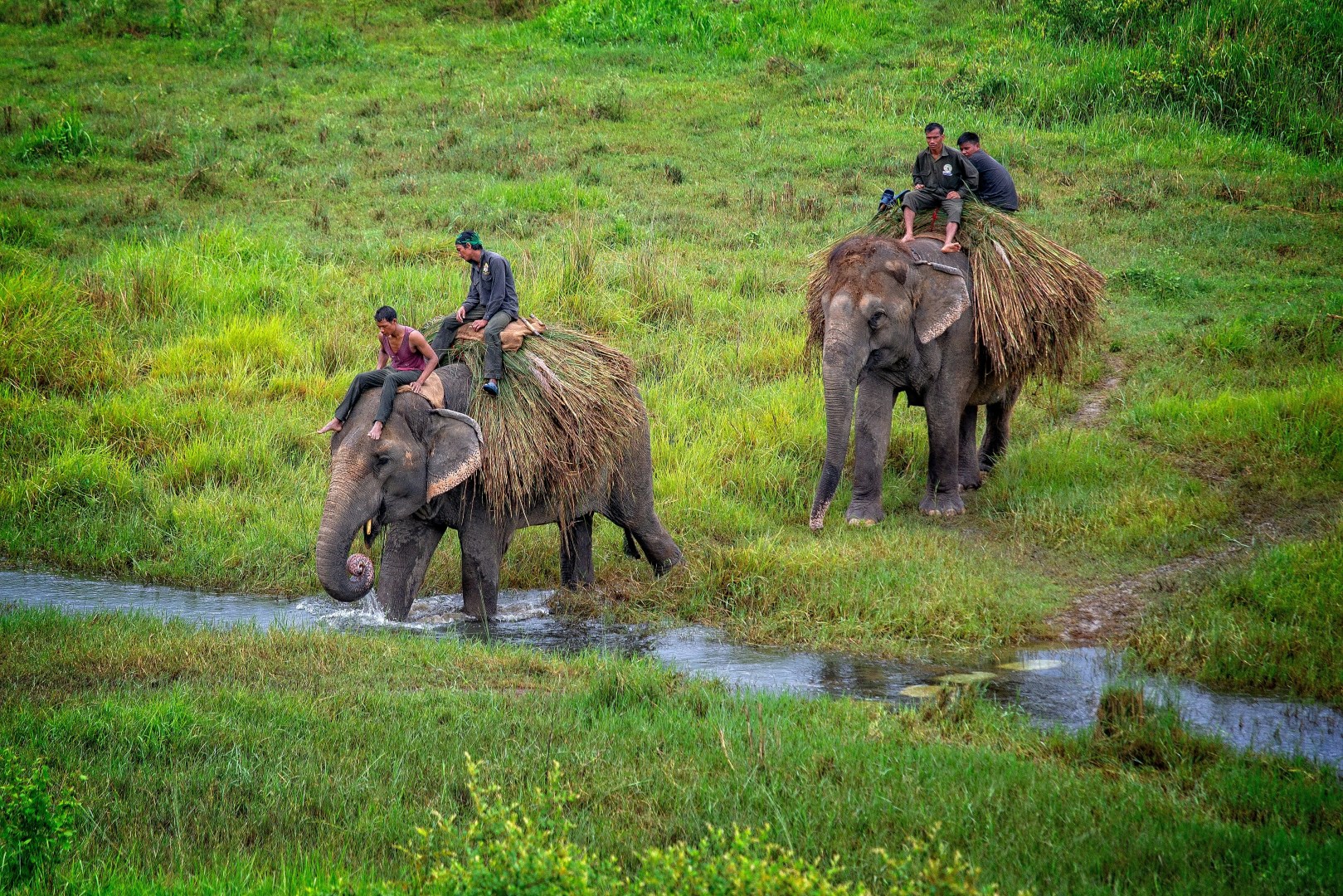
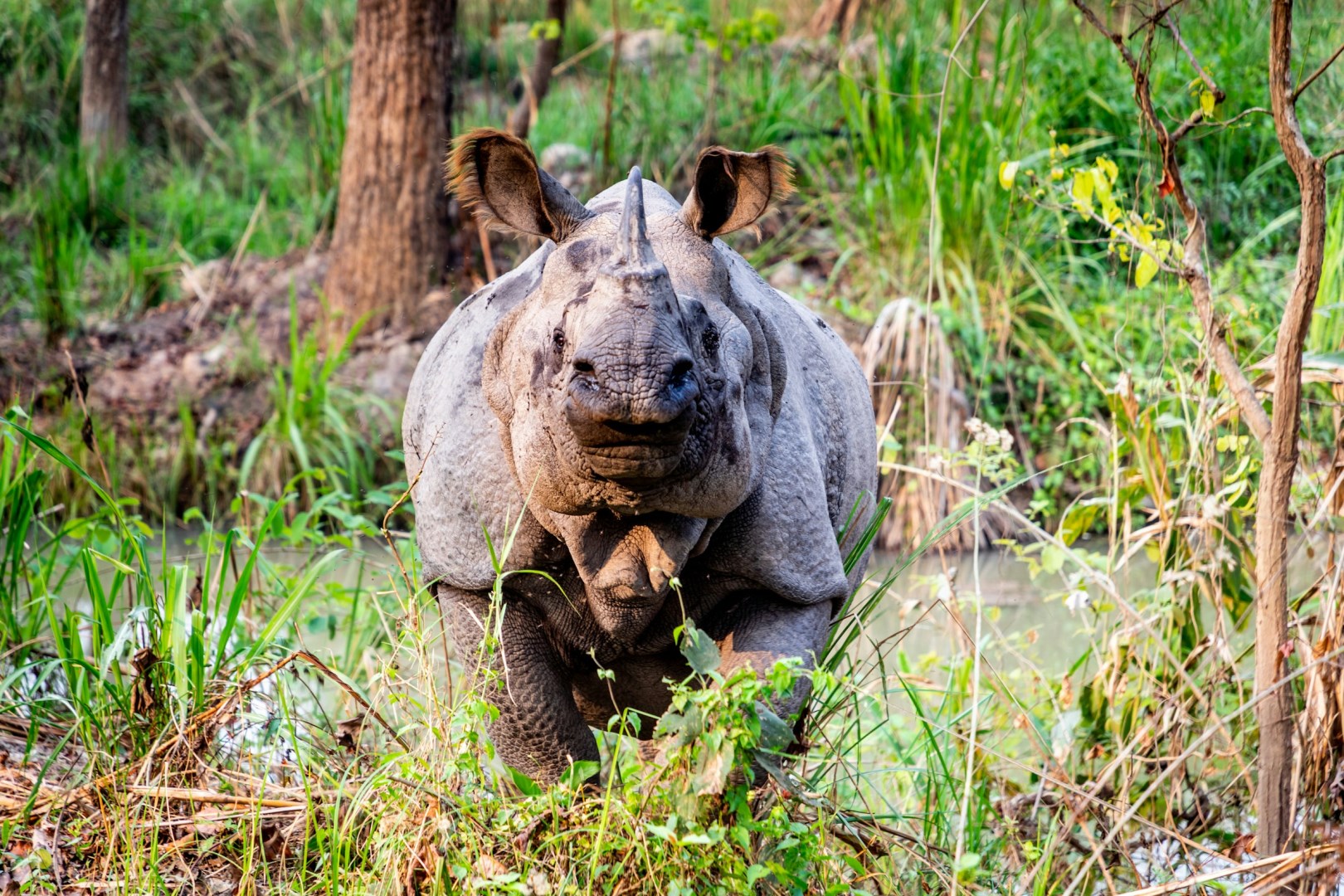
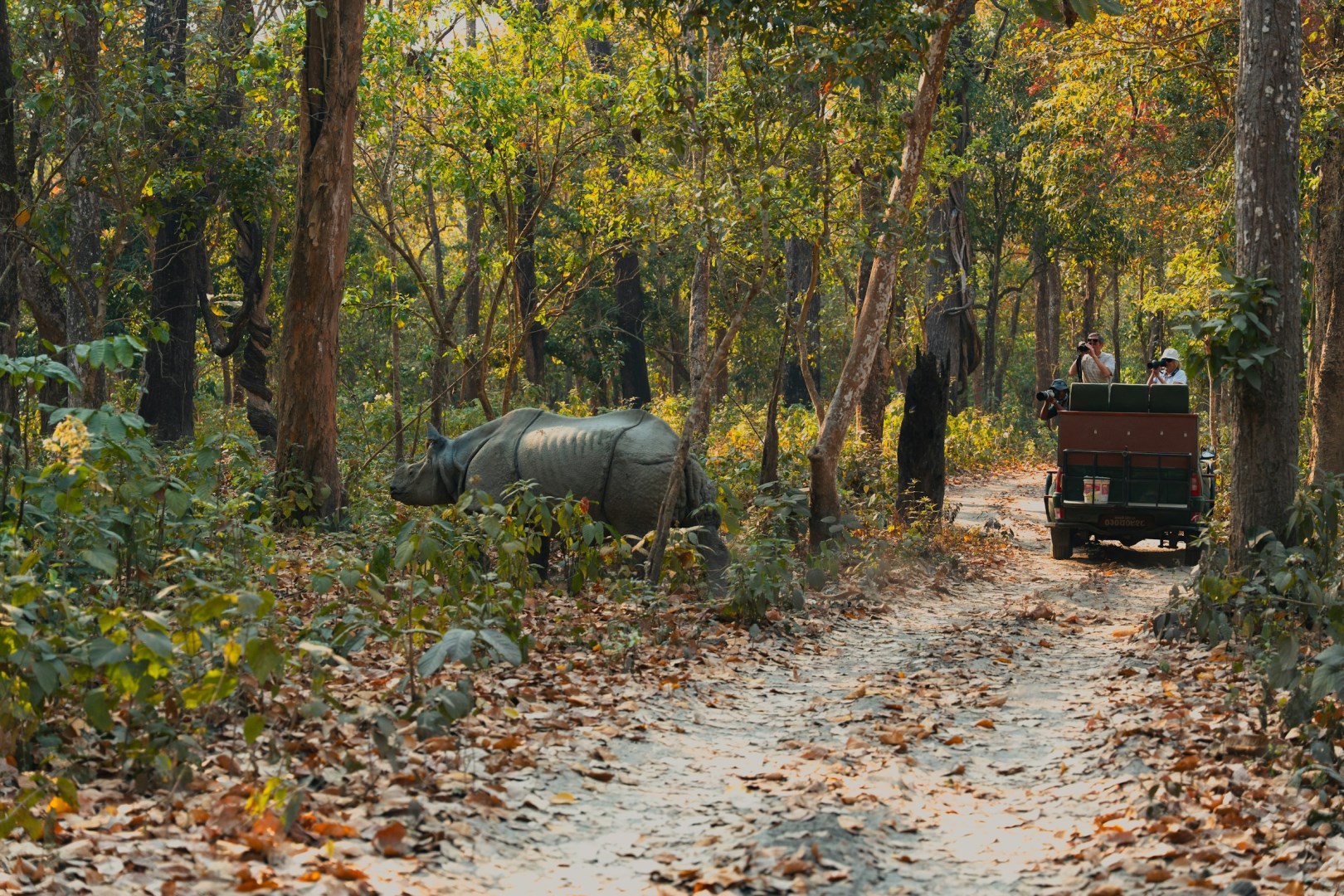
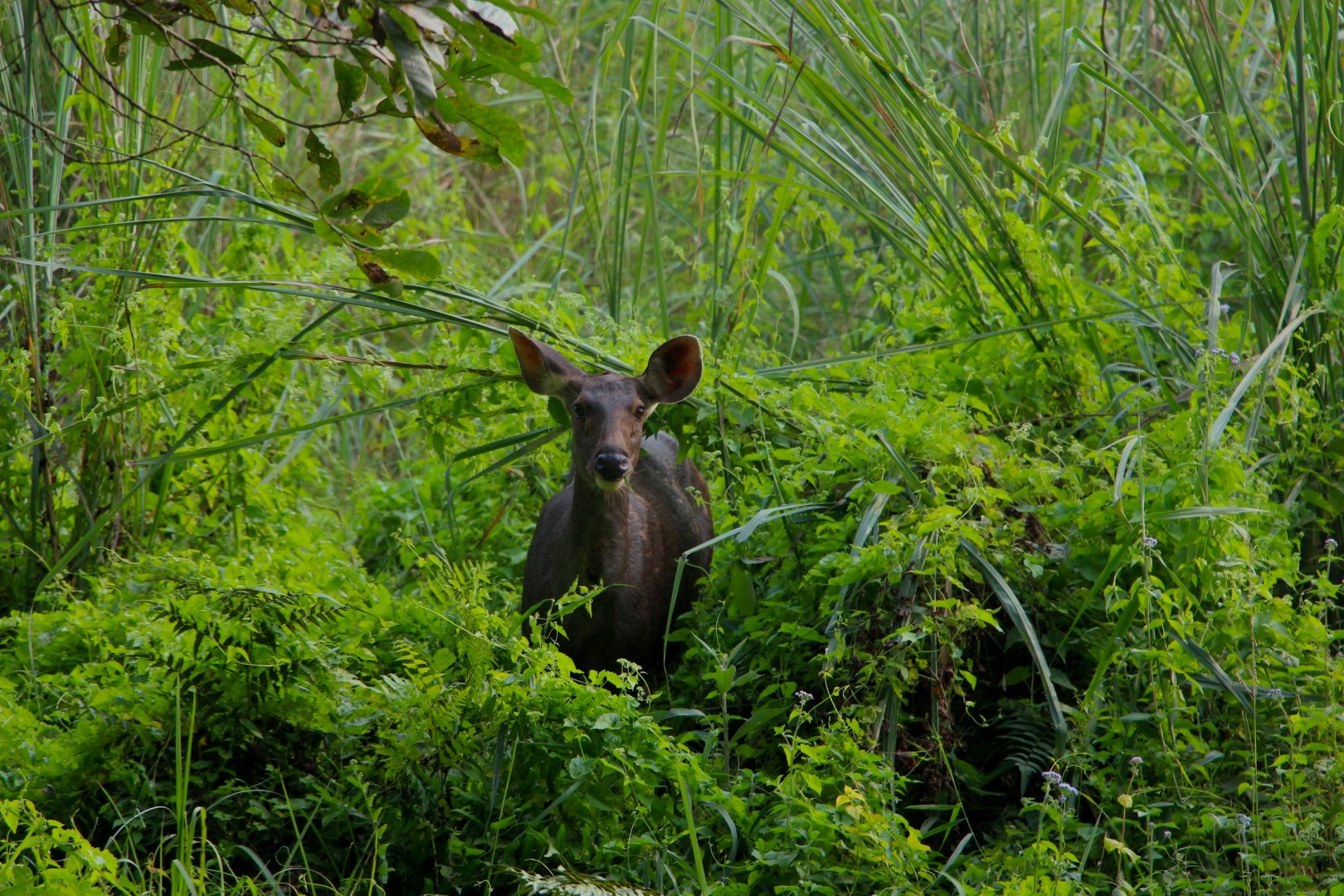
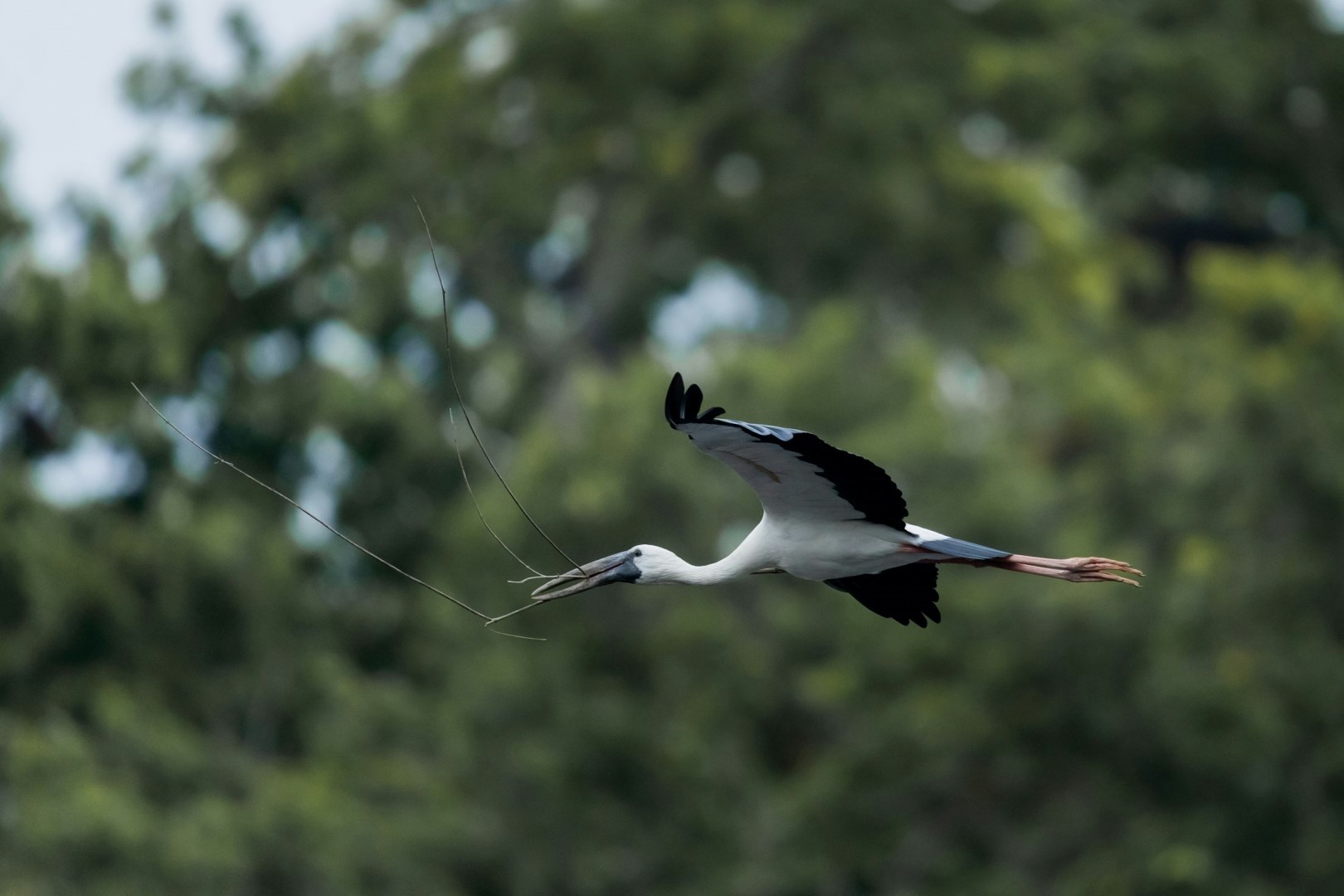

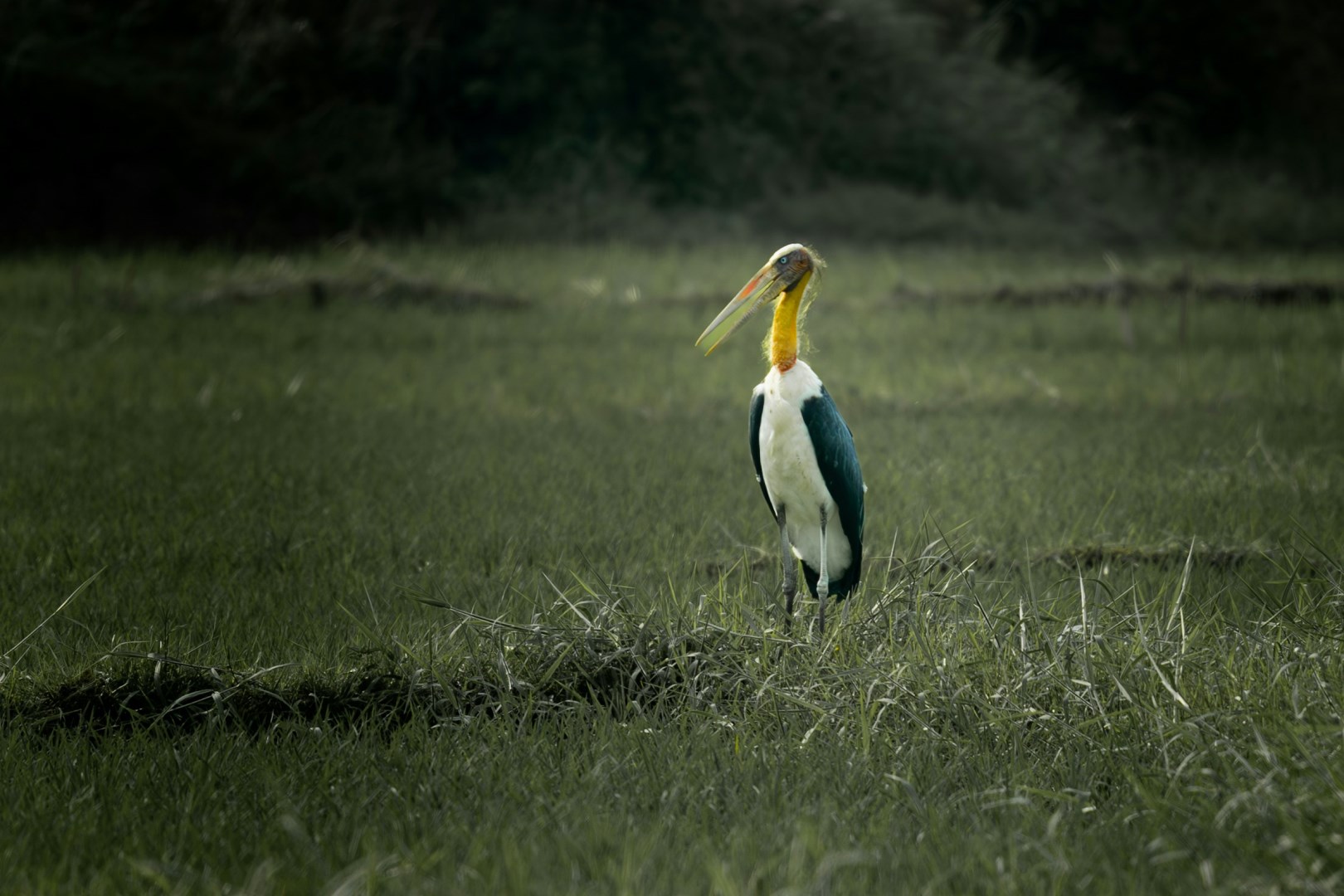

Chitwan National Park is one of Nepal’s most important protected natural areas. Located in the subtropical lowlands of southern Nepal, the park is known for dense sal forests, grasslands, rivers, and a large concentration of wildlife. The area supports species such as the one-horned rhinoceros, Bengal tiger, gharial crocodile, and Asian elephant. Villages surrounding the park are closely connected to farming and river life, while tourism activities focus on wildlife observation, canoe trips, and guided jungle walks. Chitwan is considered one of the country’s leading conservation regions and attracts both researchers and travelers interested in South Asian ecosystems.
The culture around Chitwan is strongly influenced by the Tharu community, an ethnic group with long-standing ties to the forests and floodplains of the region. Traditional Tharu villages often feature mud-plastered homes decorated with handmade patterns and storage structures built from bamboo and grass. Cultural programs in nearby settlements include stick dances, folk music, and demonstrations of local farming practices. Local museums and community centers explain how forest conservation has changed village life and reduced dependence on hunting and logging. Markets near Sauraha, one of the main gateways to the park, also sell woven baskets, carved wooden items, and handmade textiles produced by local families.
The park’s landscape includes river systems such as the Rapti and Narayani Rivers, which support wetlands filled with migratory birds, crocodiles, and aquatic species. Jeep safaris and walking tours pass through tall elephant grass fields where rhinoceroses and deer are commonly seen grazing. Canoe rides along the Rapti River allow visitors to observe marsh mugger crocodiles and birdlife along the riverbanks. Chitwan also contains observation towers, forest trails, and breeding centers dedicated to species conservation, including the Gharial Conservation Center. Seasonal monsoon rains regularly reshape parts of the floodplain, influencing wildlife movement and vegetation growth throughout the park.
Food in the Chitwan region reflects both Nepali and Tharu culinary traditions. Meals commonly include dal bhat, a combination of lentil soup, rice, vegetables, and pickles served daily across Nepal. Tharu dishes often feature freshwater fish, snails, rice bread, and locally grown mustard greens prepared with regional spices. Restaurants near the park also serve buffalo meat curries and grilled river fish sourced from nearby waterways.